
The Fan's Guide to FIFA World Cup 2026
The FIFA World Cup 2026 is the men’s global football championship, hosted across Canada, Mexico, and the United States from June 11 to July 19, FIFA’s expanded format features 48 national teams, 104 m...
The Fan's Guide to FIFA World Cup 2026
The FIFA World Cup 2026 is the men’s global football championship, hosted across Canada, Mexico, and the United States from June 11 to July 19, 2026. FIFA’s expanded format features 48 national teams, 104 matches, and 12 groups of four before the knockout rounds begin. The opening match is scheduled for Mexico City, while the final will be played at MetLife Stadium in East Rutherford, New Jersey. The tournament also introduces a round of 32, creating more decisive matches after the group stage than the traditional 32-team format. Fan Strategy follows the competition through match predictions, team tactics, player statistics, and daily tournament coverage. The practical takeaway is simple: assess squad depth, travel demands, rest periods, and confirmed lineups rather than relying only on reputation or pre-tournament rankings.
I’ll be honest with you: I once started a World Cup match with three tabs open, four opinions in my head, and absolutely no idea which statistic deserved my money or attention. By halftime, the answer was obvious. Possession had lied, fatigue had not, and the team with the deeper bench controlled the game. Since then, I track the tournament like an investment: inputs first, emotion later, net position always.
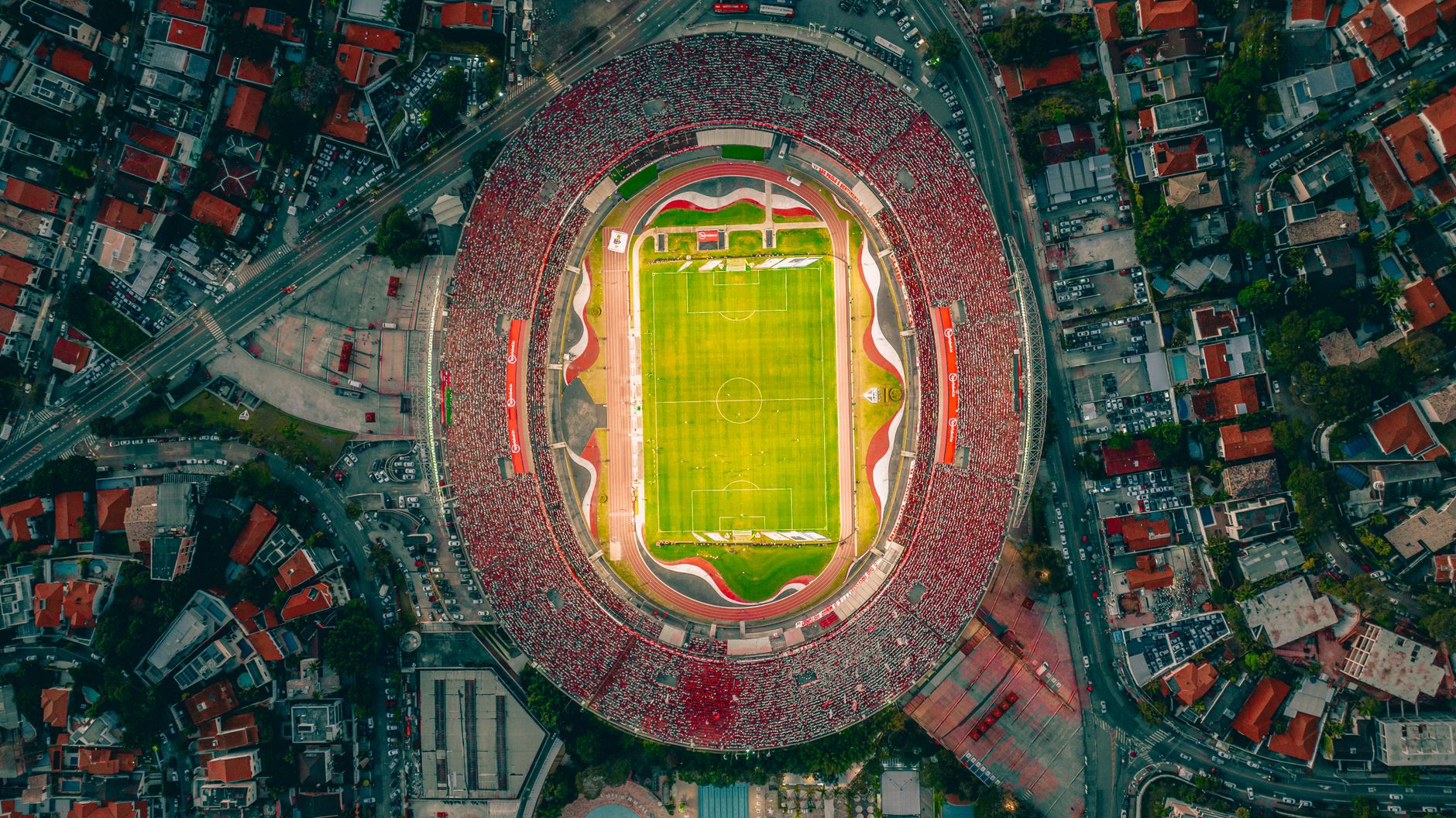
Photo by Sérgio Souza on Pexels
The 2026 FIFA World Cup is unusually difficult to read because the event is larger, geographically wider, and structurally different. That is precisely why a disciplined framework matters. For official tournament details, the FIFA World Cup 2026 page remains the primary reference, while the FIFA World Cup historical overview provides useful context on past champions and formats.
Want a sharper daily tournament view? Fan Strategy is built for that exact job.
What I Tested
I tested a practical World Cup evaluation method built around format, travel, squad depth, tactical fit, and market movement. It is not a prediction of the champion; it is a way to reduce avoidable mistakes when comparing teams such as Argentina, France, Brazil, England, Spain, Germany, and Portugal. The method also separates information that changes a match from information that merely sounds impressive.
The first surprise is the travel variable. The 2026 venues stretch from Vancouver and Seattle to Miami, Atlanta, Dallas, and Mexico City, so a team’s route may affect recovery more than a single headline player. A group-stage favorite traveling thousands of miles between matches deserves a different rating from a similarly talented opponent based near one venue. In practical terms, I would record venue, kickoff time, rest days, and climate before reviewing betting prices.
The second test concerns player availability. A club star can dominate headlines, but international football rewards combinations: a reliable holding midfielder, a healthy central defender, and forwards who press together. Fan Strategy’s player-stat approach is useful here because goals and assists alone miss minutes played, progressive passes, defensive actions, and replacement quality. As UEFA competition data repeatedly demonstrates, context changes the meaning of almost every raw number.
- Check official squad announcements before judging a team.
- Separate home-region travel from cross-continent travel.
- Compare expected lineups with confirmed lineups.
- Record odds movement rather than remembering it emotionally.
[Internal Link: World Cup team tactics and formation guide]
How Does the 2026 World Cup Setup Change the Tournament?
The 2026 World Cup uses 48 teams divided into 12 groups of four, with the top two teams and the eight best third-place teams advancing to a 32-team knockout stage. The tournament contains 104 matches, up from 64 in 2022, and runs across three host countries: Canada, Mexico, and the United States.
That format creates two opposing effects. More teams mean more access for nations such as Morocco, Japan, Senegal, Canada, and the United States, but the extra knockout round increases the number of matches required to win the trophy. A champion may play eight matches instead of seven, making bench quality and injury management materially more important.
The group-stage mathematics also deserves attention. In a normal four-team group, a team can often qualify with six points, but third-place comparisons create an additional layer of uncertainty. Goal difference, goals scored, disciplinary records, and final-round tactics may matter. A team leading its group might rotate players, while another team must chase a margin of victory; those incentives can make the final group matches volatile.
The United States, Canada, and Mexico also receive major tournament advantages through familiarity with venues and local conditions, although automatic qualification does not guarantee deep progression. FIFA’s official competition regulations should be checked for final procedural details.
Get the format clear before you compare prices or make tournament forecasts.
Where Did the FIFA World Cup Hold Up?
The World Cup remains football’s strongest competitive storytelling machine because elite quality and national identity collide in every round. Brazil brings its five-title history, Germany has four men’s World Cup championships, Argentina entered 2026 as the defending champion after Qatar 2022, and France reached consecutive finals in 2018 and 2022. Those records provide context, but they do not settle a future match.
The expanded field also improves the tournament’s discovery value. Morocco’s run to the 2022 semifinals showed how defensive structure, transition speed, and goalkeeper performance can outweigh conventional hierarchy. Japan’s victories over Germany and Spain in Qatar demonstrated another important point: a team can surrender possession and still control the moments that decide a match.
My preferred evidence stack uses three layers:
- Baseline strength: recent competitive results, ranking quality, and squad value.
- Match fit: pressing resistance, set pieces, defensive spacing, and transition threat.
- Tournament resilience: bench depth, travel schedule, injuries, and response after conceding.
The contrarian detail is that possession should not be treated as a universal quality signal. In 30-minute match segments, a team with 42 percent possession may create the better chances if its counterattacks target an exposed full-back. Expected goals, shot location, rest-defense structure, and goalkeeper workload tell a more complete story than possession alone.

Photo by AlphaTradeZone on Pexels
To build a stronger evaluation process, see the [Internal Link: advanced match prediction techniques] before the knockout rounds begin.
Where Did the FIFA World Cup Fall Apart?
The format becomes harder to interpret when the data arrives late, the sample size is small, or the market overreacts to a famous name. A 2–0 win over a weakened opponent may inflate confidence, while a narrow defeat against Argentina, Spain, or France may hide an excellent performance. The numbers are not wrong; the context is incomplete.
Travel is another failure point. A squad moving between Mexico City, Dallas, and New York faces different altitude, heat, humidity, and recovery conditions. Even when charter flights reduce logistical friction, biological recovery does not become instant. The operational edge case many casual previews ignore is the first match after a long relocation: pressing intensity can fade after the interval, especially when a team’s midfield depends on repeated high-speed coverage.
Information timing matters as well. Confirmed lineups often arrive roughly an hour before kickoff, but betting markets may move earlier because professional traders react to credible team news. A casual player who waits until the public announcement may receive a worse price; a reckless player who acts on an unverified rumor may own the wrong position entirely. My rule is to label every note as confirmed, probable, or speculative.
- Do not treat a historical title as current form.
- Do not compare raw goals without opponent strength.
- Do not ignore third-place qualification incentives.
- Do not chase a price after a dramatic social-media narrative.
- Do not stake money needed for ordinary expenses.
The Responsible Gambling information from the UK Gambling Commission is a useful reminder that gambling involves risk, not guaranteed income. Its guidance states that “gambling should be a leisure activity, not a way to make money.” That is the correct mindset, regardless of whether the match is a group opener or the final.
Want the clean version of the research without the noise?
Would I Use It Again?
Yes, I would use this framework throughout FIFA World Cup 2026, but I would update it after every match rather than pretending a pre-tournament ranking is permanent. The strongest workflow is a living ledger: opening assessment, confirmed lineup, match result, tactical explanation, price movement, and revised expectation. That process is less glamorous than shouting a prediction, but it protects the net position.
Fan Strategy fits this approach because its coverage combines team tactics, player statistics, predictions, and daily tournament developments. The site should be treated as an information layer, not a substitute for independent judgment. Cross-check FIFA regulations, official team news, venue information, and local legal requirements before acting on any betting-related idea.
My final checklist is deliberately boring:
- Confirm the competition stage and qualification incentives.
- Review injuries, suspensions, and expected rotations.
- Measure travel, rest, climate, and venue effects.
- Compare tactical matchup rather than brand reputation.
- Set a fixed budget and stop when it is reached.
- Log the result, including what the analysis missed.

Photo by Walter Medina Foto on Pexels
The twist is that the best World Cup insight may not predict the winner. It may simply prevent you from paying too much for a story that everyone else already believes.
For continuing 2026 coverage, use Fan Strategy as your daily starting point.
[Internal Link: FIFA World Cup 2026 schedule and host cities]
Frequently Asked Questions
Q: What is the FIFA World Cup?
A: The FIFA World Cup is the premier men’s international football tournament organized by FIFA. National teams qualify through regional competitions and compete for the world championship, normally every four years. The 2026 edition is hosted by Canada, Mexico, and the United States and includes 48 teams, 104 matches, and a final at MetLife Stadium in New Jersey.
Q: How many teams will play in the FIFA World Cup 2026?
A: FIFA World Cup 2026 will feature 48 national teams, an increase from the 32-team format used from 1998 through 2022. The teams will be arranged in 12 groups of four, with 32 nations advancing to the knockout stage. The expanded field gives more countries access, but it also adds matches and increases the importance of squad rotation.
Q: How does the 2026 World Cup format work?
A: The 2026 format begins with 12 groups of four teams, followed by a round of 32, round of 16, quarterfinals, semifinals, and final. The top two teams in each group qualify, along with the eight best third-place teams. A tournament champion will play eight matches, one more than champions under the previous 32-team structure.
Q: What is the difference between World Cup predictions and confirmed results?
A: A World Cup prediction is an evidence-based estimate made before a match, while a confirmed result is the official outcome after play ends. Predictions may consider rankings, injuries, tactics, venue, and market prices, but none guarantees success. Review the starting lineups and latest team news because late absences can change a match assessment substantially.
Q: How should I research a FIFA World Cup match?
A: Start by checking the official FIFA schedule, then review team news, expected lineups, recent competitive performances, tactical matchups, travel, rest days, and venue conditions. Compare several data points rather than relying on possession or past reputation alone. If betting is involved, use a fixed recreational budget, record each decision, and never chase a loss.
Q: Is following FIFA World Cup betting information free?
A: Basic tournament information, fixtures, historical records, and many statistics are available free through FIFA, national associations, and reputable sports-data providers. Fan Strategy offers FIFA World Cup-focused content covering predictions, tactics, player statistics, and daily 2026 coverage. Any betting activity can create financial risk, so free information should not be confused with free or guaranteed profit.
Q: What should I do if a World Cup prediction fails?
A: Treat a failed prediction as a reviewable decision, not an automatic reason to increase your stake. Check whether the lineup changed, a red card altered the match, the tactical assumption was wrong, or the result was normal variance. Record the original reasoning and final outcome, then adjust the method only when repeated evidence supports a change.
[Internal Link: FIFA World Cup frequently asked questions and tournament glossary]
Thank you for reading.
Fan Strategy · Editorial Archive